

 中文简体
 English
 Español



The Bottom Line Up Front
Imagine a circular knitting mill that must produce 20 tons of fabric for a sports apparel buyer. The buyer specifies moisture wicking, a minimum of 30,000 abrasion cycles, and a smooth exterior surface. Cotton yarn will struggle to reach that abrasion target. Polyester will clear it comfortably.
Put simply, polyester yarn wins on strength, abrasion resistance, dimensional stability, and color fastness. Cotton yarn wins on breathability, moisture absorption, and natural hand feel.
If your fabric needs a cotton feel without sacrificing durability, a specially engineered cotton-like polyester yarn is the practical middle road.
What Actually Separates Cotton and Polyester Yarn?
Cotton is a natural cellulosic staple fiber. Its flattened, irregular cross-section and hollow lumen allow it to absorb 7 to 8 percent of its weight in moisture. This is why cotton feels comfortable next to the skin in warm or humid conditions. Because cotton is a staple fiber, it must be carded, drawn, and twisted, which creates surface fuzz and a matte appearance.
Polyester is a synthetic continuous-filament yarn made from PET. A single filament can be drawn to a precise denier, textured for bulk, or cut into staple to behave like cotton. The moisture regain of standard polyester is 0.4 to 0.6 percent, which explains why it dries quickly and does not hold water against the skin. For a deeper look at how cotton yarn behaves under wet and dry conditions, see this reference on cotton yarn properties.
Staple versus filament structure
The structural difference drives the processing. Staple cotton yarn has more twist and a softer, warmer surface, but the twist also limits maximum strength. Polyester filament yarn can be spun at high speed, drawn at a controlled ratio, and textured into DTY, which gives the yarn crimp, stretch, and a fuller hand.
Key Performance Metrics Compared
The table below sets typical values for ring-spun cotton yarn and regular polyester filament yarn. Actual numbers vary with yarn count, twist, and finishing, but the direction of the comparison is consistent across production lots.
| Property | Cotton Yarn | Polyester Yarn |
|---|---|---|
| Tensile strength | 2.5-4 g/denier | 4.5-7 g/denier |
| Moisture regain | 7-8% | 0.4-0.6% |
| Abrasion resistance | Fair | Excellent |
| Elongation at break | 5-10% | 15-30% |
| Color fastness | Moderate | High |
| Recovery from stretch | Low | High |
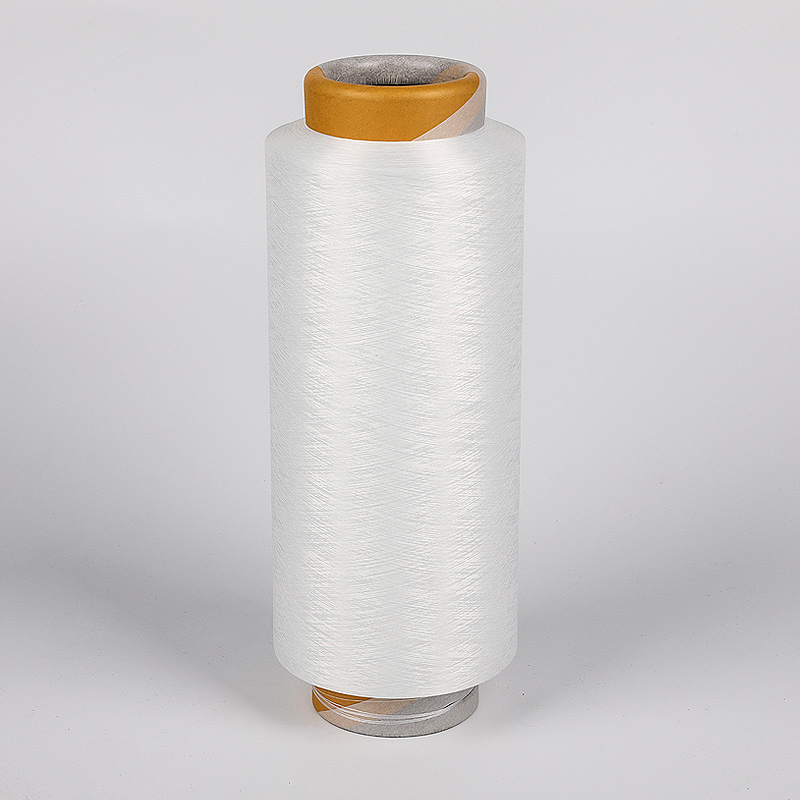
For a standard polyester fabric, Martindale abrasion results commonly land between 30,000 and 100,000 rubs, whereas cotton fabrics typically drop below that range unless densely constructed. If you run a knitting or weaving program that needs high tenacity and consistent elongation, polyester DTY yarn is the reliable base material.
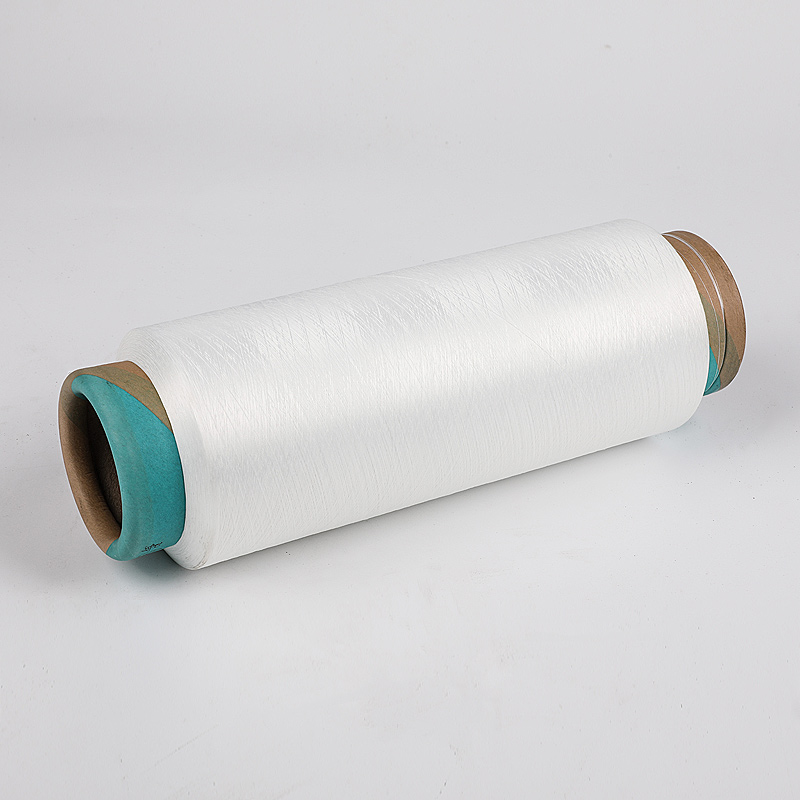 Polyester DTY Yarn for High-Tenacity Knitting and WeavingThis draw textured polyester yarn balances elasticity and strength, making it a reliable base for fabrics requiring consistent performance. Its customization options support diverse applications, from sportswear to industrial textiles.View Product →
Which Yarn Fits Your Application?
Application is the strongest predictor of the correct fiber. Match the yarn to the end-use performance requirements rather than to a general preference.
Knitted fabrics and sweaters
Knitted structures need yarn with good recovery and stretch. Polyester DTY provides this because the draw texturing process creates a crimped, elastic filament. If you knit fleece, loungewear, or casual knits that must feel soft to the touch, a cotton-feel polyester yarn delivers a warm hand while keeping the recovery that knits require.
Woven upholstery and home textiles
Upholstery fabrics face continuous rubbing. Polyester filament, especially high-tenacity POY, is the preferred choice for contract seating and heavy-use upholstery. Cotton remains competitive for bedsheets and curtains where breathability and a matte finish matter more than abrasion life.
Sportswear and activewear
Sportswear requires moisture management. Polyester's low moisture regain actually helps here because the fiber does not saturate, and a moisture-wicking polyester yarn transports sweat away from the skin with a special cross-section design. Cotton can perform in this category up to a point, but it becomes heavy and wet once saturated.
The Compromise: Cotton-Like Polyester Yarn
Modern spinning engineering has reduced the gap between cotton and polyester. By modifying the fiber cross-section, adjusting the draw ratio, and applying special texturing, manufacturers now produce polyester yarn that mimics the softness, matte appearance, and warmth of cotton while retaining polyester's strength and easy care.
For producers who want the familiarity of cotton without sacrificing abrasion resistance, this is the most practical route. Cotton-like polyester yarn is especially effective in knitwear, home textiles, and blend programs where a natural hand is mandatory but polyester's performance is still required. It also improves color fastness and shrink resistance compared with 100% cotton fabrics.
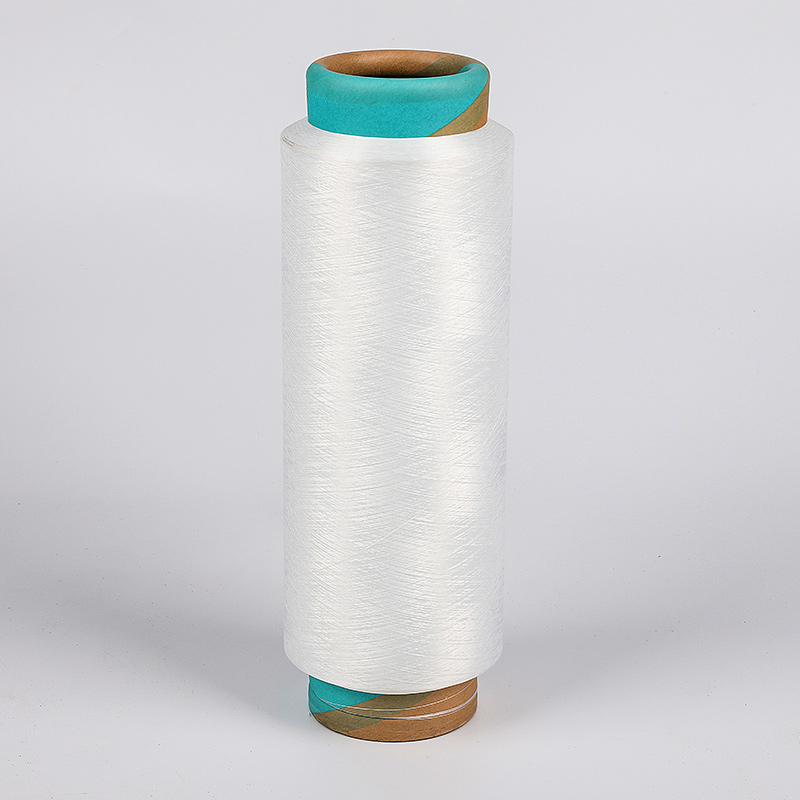
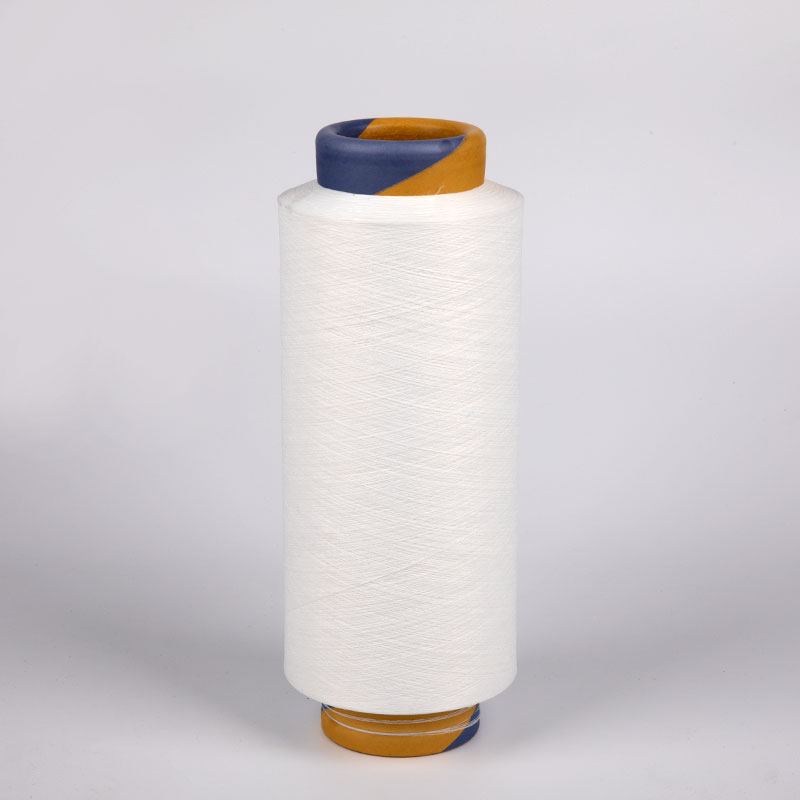 Cotton-Like Polyester Yarn for Natural Hand and DurabilityOffering the softness and breathability of cotton with polyester's resilience, this yarn resists shrinking and fading. It suits knitwear and blends where a natural feel is essential without compromising abrasion resistance.View Product →
Frequently Asked Questions
Q1: Is polyester yarn stronger than cotton yarn?
Yes. Standard polyester filament yarn has a tensile strength of roughly 4.5 to 7 grams per denier, while cotton usually sits at 2.5 to 4 grams per denier. Polyester also outperforms cotton in abrasion testing, which makes it the better choice for high-wear fabrics.
Q2: Can polyester yarn feel as soft as cotton?
Standard polyester does not match cotton's softness. However, cotton-like polyester yarn uses modified cross-sections and texturing to reproduce a soft, matte hand. Alternatively, you can blend cotton and polyester to balance softness with durability.
Q3: Does polyester yarn shrink like cotton?
No. Polyester has a very low moisture regain, so it is much less prone to shrinkage than cotton. Cotton can shrink 3 to 8 percent depending on the finishing process, while polyester typically stays within 1 to 2 percent.
Q4: Which is better for upholstery, cotton or polyester?
Polyester is the better choice for upholstery that faces heavy rubbing. Polyester fabrics commonly endure 30,000 to 100,000 Martindale abrasion cycles, whereas cotton is less resistant in contract seating and other high-friction applications.
Q5: Can cotton and polyester yarn be blended?
Yes. Polyester-cotton blends are common in ratios such as 65/35 and 50/50. The blend combines cotton's comfort with polyester's strength. If you want to avoid cotton entirely, cotton-like polyester is a single-fiber alternative that simplifies recycling.
Making the Right Call for Your Production Line
Choose polyester yarn when your priority is strength, abrasion resistance, color fastness, or dimensional stability. Choose cotton yarn when the end product demands maximum breathability and natural moisture comfort. If you need a middle ground, recycled polyester yarn offers a practical way to reduce environmental impact while keeping polyester's mechanical performance and cost profile.
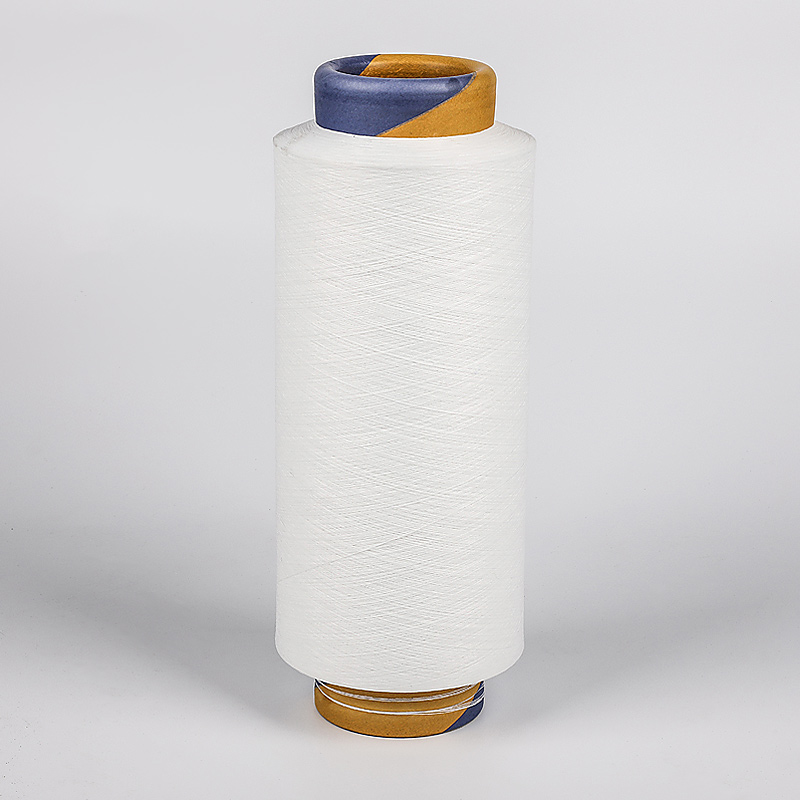
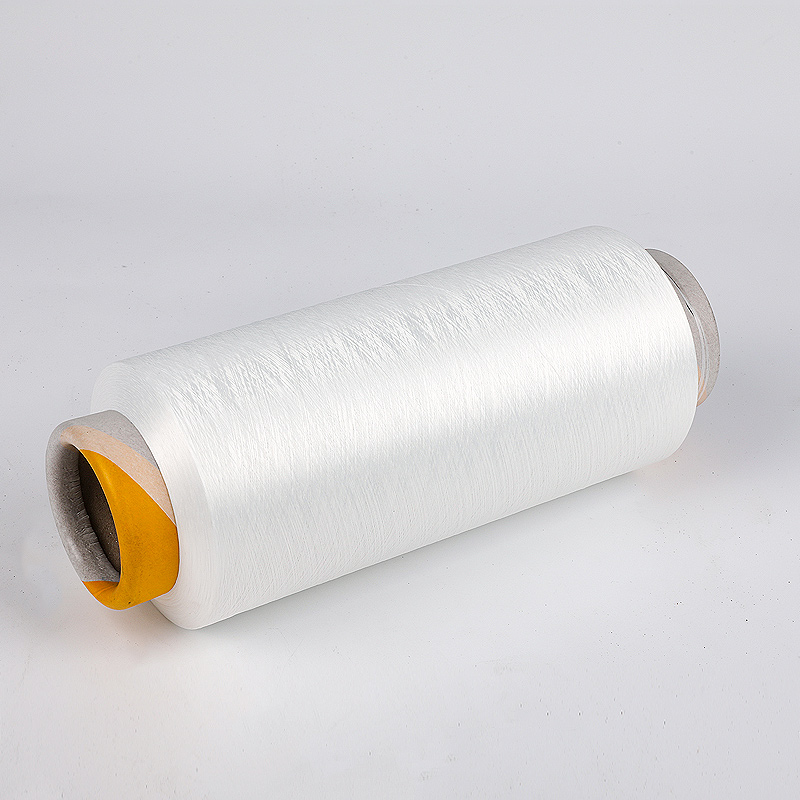 GRS-Certified Recycled Yarn for Sustainable ProductionProduced from post-consumer waste, this recycled yarn meets Global Recycled Standard requirements while retaining polyester's mechanical properties. It offers a feasible middle ground for reducing environmental impact in textile manufacturing.View Product →
Testing samples on your own machines is the safest final step. A reliable supply partner should be willing to share spec sheets, provide lot samples, and advise on process compatibility for your knitting or weaving setup. Making the decision on data, not on marketing language, will save you time and money in production.

 TEL: +86-575-85510907
 E-mail:
 Qianqing Material Market, Shaoxing,Zhejiang Province,China
