

 中文简体
 English
 Español



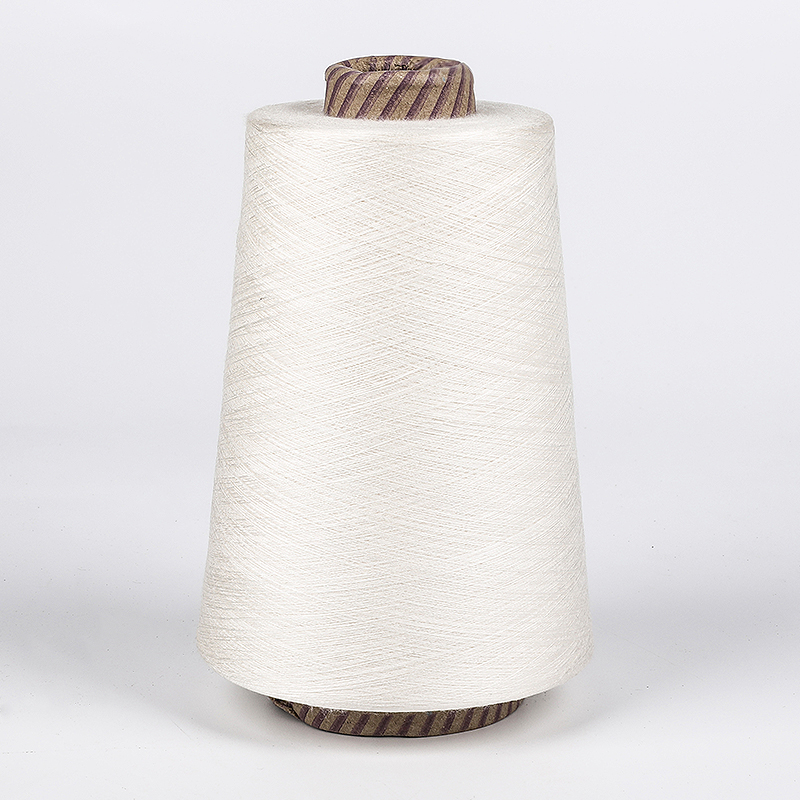
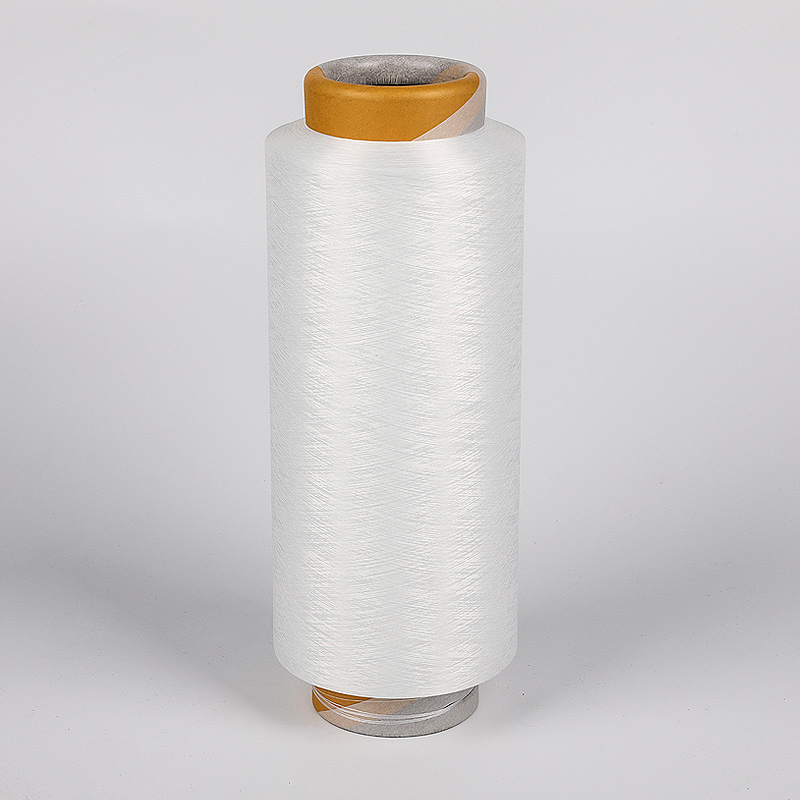
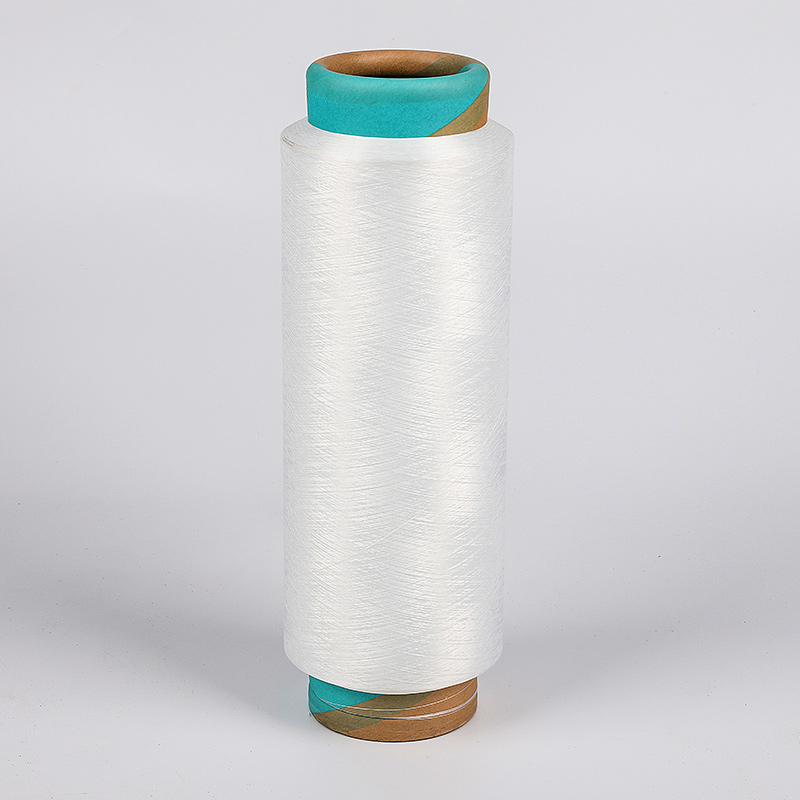
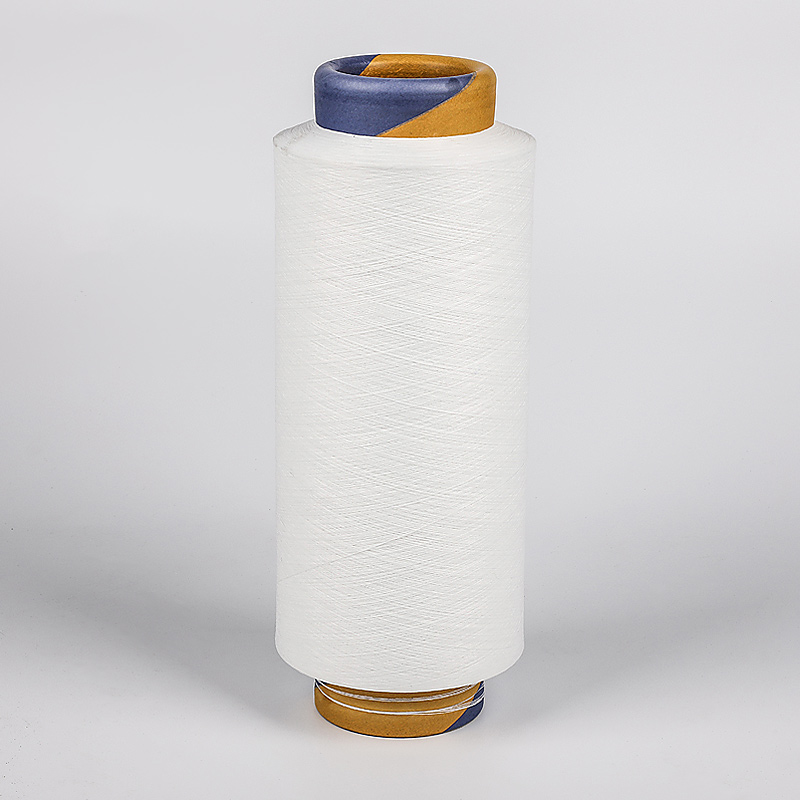
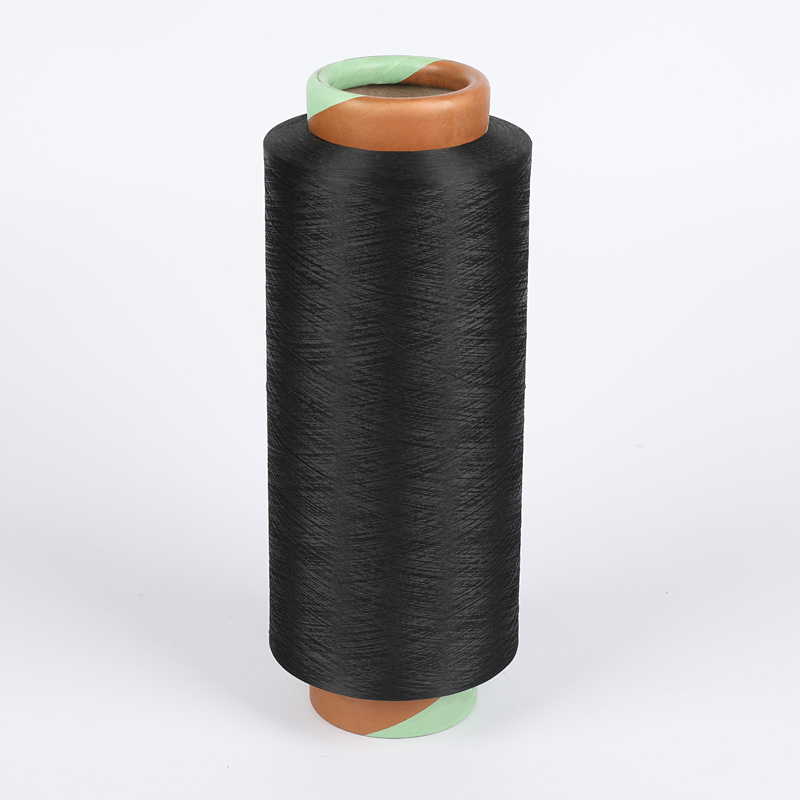
The global textile industry is at a crossroads, balancing rising consumer demand for soft, breathable fabrics with the urgent need to reduce environmental impact. Traditional cotton cultivation consumes vast amounts of water, relies heavily on pesticides, and contributes to soil degradation. In response, innovators have developed a high-performance alternative: Recycled yarn engineered to mimic the tactile qualities of cotton, specifically Cotton like yarn. This article dissects the technical properties, environmental advantages, and real-world applications of recycled cotton-like polyester yarn, demonstrating why it is a credible substitute for conventional cotton.
Key Insight: Advanced spinning and texturing technologies now enable recycled polyester (rPET) to achieve a cotton-like hand feel, bulk, and moisture management, addressing the primary performance gap between synthetics and natural fibers.
Comparative Environmental Footprint: Recycled Polyester vs. Conventional Cotton
The environmental case for switching to recycled cotton-like yarn is compelling. The following data compares the resource consumption and emissions of recycled polyester (rPET) and conventional cotton, based on industry averages.
Source: Industry LCA data for rPET and cotton fiber production (averages).
Production Workflow: From Plastic Bottles to Cotton-Like Fiber
The transformation of post-consumer PET bottles into a soft, bulky cotton-like yarn is a multi-stage engineering process. Each step is critical to achieving the desired aesthetic and functional properties.
- Collection & Sorting: Post-consumer PET bottles are collected, sorted by color and quality, and cleaned to remove contaminants.
- Extrusion & Pelletizing: Cleaned flakes are melted and extruded into chips or pellets, forming the base polymer.
- Melt Spinning (POY): Pellets are melted again and extruded through spinnerets to create partially oriented yarn (POY).
- Texturing (DTY): The POY undergoes draw texturing, a mechanical crimping process that imparts bulk, softness, and a cotton-like hand feel. This is the critical step for achieving Cotton like yarn aesthetics.
- Twisting & Winding: The textured yarn is twisted for strength and wound onto packages for knitting or weaving.
Technical Property Comparison: Cotton vs. Cotton-Like Recycled Polyester
While aesthetic mimicry is essential, the true test lies in performance. The following radar chart compares key physical properties of conventional cotton and recycled cotton-like polyester yarn.
The radar chart illustrates that recycled cotton-like polyester yarn offers comparable softness and breathability, with superior durability and wrinkle resistance. Moisture absorption remains lower, but advanced finishing and fiber engineering are narrowing this gap.
Softness
DTY texturing creates micro-crimps, yielding a plush, cotton-like tactile profile.
Durability
rPET fibers exhibit higher tensile strength and abrasion resistance than cotton.
Moisture Management
Engineered cross-sections and wicking finishes enhance moisture transport.
Market Adoption and Sourcing Trends for Sustainable Synthetic Yarn
Demand for Recycled yarn and cotton-feel polyester is accelerating as brands commit to circularity. The chart below projects the growth in eco-friendly textile sourcing for recycled polyester over the next five years.
This upward trend is driven by legislation (e.g., EU ESPR), consumer awareness, and the improving cost-competitiveness of rPET. Eco-friendly textile sourcing is no longer a niche but a mainstream procurement criterion.
Application Domains for Recycled Cotton-Like Yarn
The versatility of this yarn allows it to replace cotton in numerous end-uses. Below is a non-exhaustive list of applications where cotton-like DTY and bulky cotton yarn have been successfully integrated.
Athleisure
Moisture-wicking, stretchable fabrics for yoga pants, sports tops.
Casual Wear
T-shirts, hoodies, and chinos with cotton-like comfort and enhanced durability.
Home Textiles
Soft furnishings, blankets, and upholstery that resist fading and pilling.
Workwear
Uniforms that require strength, easy care, and long-lasting color.
The adoption of recycled polyester yarn (rPET) in these categories reduces reliance on virgin cotton, aligning with circular economy principles without compromising on the end-user experience.
Frequently Asked Questions
Q1: What is the difference between recycled yarn and virgin polyester yarn?
Recycled yarn is produced from post-consumer or post-industrial PET waste, whereas virgin polyester is derived from petroleum. Recycled yarn significantly reduces carbon footprint, water usage, and landfill waste, while offering comparable performance.
Q2: How can a polyester yarn feel like cotton?
Through a combination of fiber engineering and mechanical texturing (DTY process), the yarn is crimped and bulked to mimic the soft, irregular surface of cotton fibers. Additionally, cross-sectional modifications and finishing agents enhance moisture absorbency and hand feel.
Q3: Is recycled cotton-like polyester yarn more expensive than conventional cotton?
Initially, rPET yarns had a cost premium, but economies of scale and improved recycling technologies have reduced the price gap. In many cases, the total cost of ownership (durability, lower maintenance) makes it competitive or even more economical than cotton.
Q4: Can 100% recycled cotton-like yarn be used in high-performance textiles?
Yes. With proper engineering, 100% rPET yarns meet or exceed the mechanical requirements for sportswear, outdoor gear, and industrial fabrics. Blends with other fibers can also be tailored for specific performance needs.
Q5: What certifications should I look for in sustainable synthetic yarn?
Key certifications include Global Recycled Standard (GRS), Recycled Claim Standard (RCS), and OEKO-TEX Standard 100. These ensure traceability, recycled content, and the absence of harmful substances.

 TEL: +86-575-85510907
 E-mail:
 Qianqing Material Market, Shaoxing,Zhejiang Province,China
